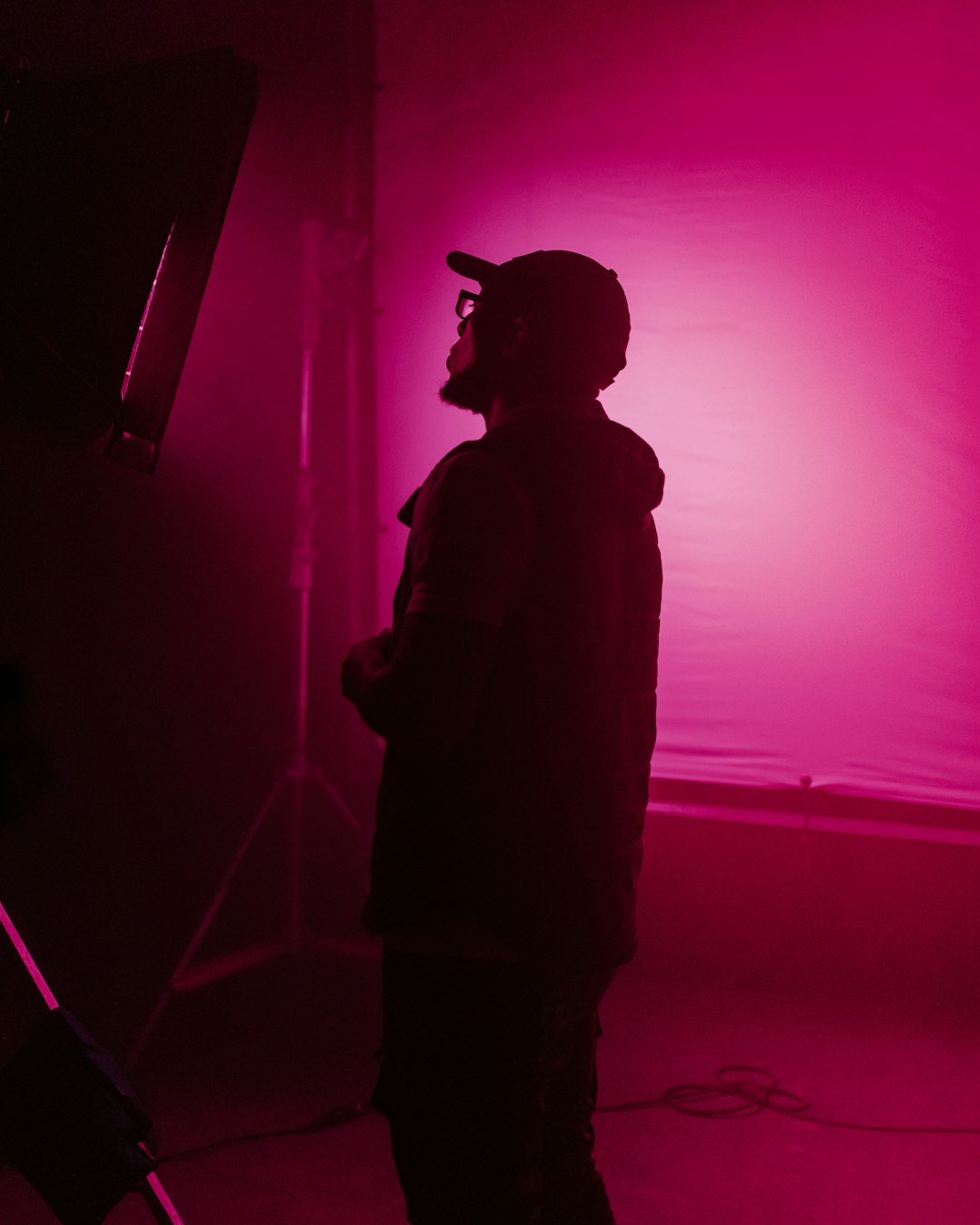
Photoshoot makeup demands a specialized approach that differs significantly from everyday or even special occasion application. As professional visagistes working regularly with photographers, models, and creative directors, we've mastered the techniques that translate beautifully through the lens while withstanding the demands of long shooting sessions. This comprehensive guide will reveal the professional secrets to creating makeup that not only looks stunning in person but photographs with perfection across all lighting conditions, from studio strobes to natural golden hour glow.
Understanding Camera vs. Human Eye Perception
The fundamental principle of photoshoot makeup is understanding how cameras perceive color, texture, and dimension differently than the human eye. Cameras tend to flatten facial features, washing out subtle contours and reducing color intensity. This is why makeup that looks perfect in your bathroom mirror can appear washed out and undefined in photographs. Professional makeup artists compensate by applying slightly heavier coverage and more defined contouring than would be typical for everyday wear.
Digital sensors and film also interpret colors differently. Cool tones can appear more pronounced, while warm tones might need slight enhancement. Understanding your photographer's equipment—whether they shoot digital or film, and their typical color grading style—can inform your product choices. For digital photography, matte finishes often photograph cleaner than overly dewy looks, which can create unwanted shine hotspots under studio lighting.
Foundation Techniques for Flawless Coverage
Foundation application for photoshoots requires strategic layering rather than a single heavy application. Begin with a color-correcting primer to neutralize any redness, sallowness, or dark circles. Apply a thin, even layer of foundation using a damp beauty sponge, building coverage only where needed rather than applying uniformly across the entire face. This approach prevents a mask-like appearance while ensuring problem areas are perfectly concealed.
Pay special attention to jawline and neck blending, as harsh lines become dramatically obvious in high-resolution photography. Use a foundation one shade warmer than your face foundation for the neck area to create seamless transition. For body shots or clothing with open necklines, extend foundation application to exposed areas, ensuring color consistency. Set your foundation with a finely-milled translucent powder, pressing it into the skin with a velour puff rather than dusting it on, which creates longer-lasting, poreless-looking skin.
Contouring and Highlighting for Dimension
Strategic contouring and highlighting restore the dimension that cameras naturally flatten. However, photoshoot contouring differs from Instagram-style dramatic contouring. The goal is subtle definition that reads naturally through the lens. Use a contour shade only 1-2 shades deeper than your skin tone, applying it to the hollows of cheeks, temples, jawline, and sides of the nose. The key is impeccable blending—there should be no visible lines, only natural-looking shadows.
Highlighting should enhance bone structure without creating stark white patches. Choose a highlighter with minimal glitter particles, as these can create distracting sparkle in flash photography. Apply to the high points of the face: cheekbones, brow bones, cupid's bow, bridge of the nose, and chin. Cream highlighters often photograph more naturally than powders. Remember that highlight placement can affect the perceived shape of facial features—strategic application can subtly alter how bone structure appears in two-dimensional images.
Eye Makeup That Translates Through the Lens
Eye makeup for photography requires special consideration as eyes are typically the focal point of portraits. Begin by defining brows slightly more heavily than usual, as sparse brows can disappear in photos. Use a combination of pencil and powder for natural-looking fullness that maintains definition. For eyeshadow, build intensity gradually, blending meticulously between each layer. Cameras intensify contrast, so well-blended transitions prevent harsh lines from appearing.
Eyeliner application should be precise and slightly thicker than everyday wear, as thin lines can get lost. Waterlining the upper lid can make lashes appear fuller without looking overly made up. False lashes are almost always recommended for photoshoots, but choose styles that enhance rather than overwhelm. Individual lashes or subtle strip lashes add definition without creating a heavy barrier between the eye and camera. Waterproof mascara is essential, as shoots often involve multiple lighting changes and potential lens changes that can cause eye watering.
Lip Perfection for Close-Ups
Lips require meticulous preparation and application for photography, especially for beauty shots or close-up portraits. Begin by exfoliating lips gently and applying a hydrating balm during skincare preparation. Before lip color application, blot away excess balm and use a lip primer to prevent feathering and improve longevity. Outline lips precisely with a lip liner that matches your lipstick or is slightly deeper for added definition.
For matte lipsticks, apply in thin layers, blotting between applications. This creates longer wear and prevents product from settling into fine lines. Cream finishes often photograph beautifully but may require more frequent touch-ups. Consider the overall makeup balance—if eyes are heavily emphasized, choose a more neutral lip, and vice versa. Always have the exact lip products on hand for touch-ups between shots, as even long-wearing formulas can transfer during eating, drinking, or clothing changes.
Adapting to Different Lighting Conditions
Professional photoshoots often involve multiple lighting setups, each requiring makeup adjustments. For natural light photography, especially during golden hour, warmer tones and softer application work beautifully. The sun's directional light creates natural shadows, so contouring can be more subtle. For studio lighting with softboxes, makeup can be slightly more defined, as diffused lighting reduces natural shadows.
Flash photography presents specific challenges. Avoid products with SPF or light-reflecting particles, which can cause flashback—a white cast on the skin. Matte finishes generally work best with flash. When working with colored gels or creative lighting, consider how the colored light will interact with makeup tones. Sometimes makeup that looks perfect under white light can appear different under colored gels, requiring neutralization or enhancement of certain tones.
Longevity and Touch-Up Strategies
Photoshoots can last for hours, requiring makeup that maintains its perfection throughout. Begin with a long-wearing primer suited to the skin type and expected conditions (humidity, temperature changes). Use cream products as a base, setting them with corresponding powder products. This "baking" technique, where powder is left on strategic areas for several minutes before dusting off, creates exceptional longevity for areas prone to creasing or fading.
Create a comprehensive touch-up kit containing miniature versions of all key products used. Include blotting papers (preferable to powder for removing shine without adding texture), cotton swabs, makeup remover for precise corrections, and all lip and eye products. For extensive shoots, schedule planned touch-up breaks every 2-3 hours rather than waiting for problems to appear. Teach models how to blot carefully without disturbing makeup and provide drinking straws to protect lip color during hydration breaks.
Collaboration with Photographers and Stylists
Exceptional photoshoot results come from seamless collaboration between the entire creative team. Before the shoot, communicate with the photographer about their vision, lighting plans, and shooting schedule. Request mood boards or reference images to understand the desired aesthetic. Coordinate with stylists regarding clothing colors, textures, and necklines that will affect makeup choices.
During the shoot, maintain open communication with the photographer. They may notice through the lens what isn't visible to the naked eye—a shine that needs blotting, a lip line needing sharpening, or an eyebrow requiring filling. Stay on set when possible to monitor how makeup translates through the camera and make immediate adjustments. This proactive approach prevents the need for extensive retouching and ensures the creative vision is achieved efficiently.
Special Considerations for Different Photoshoot Types
Different photoshoot genres require tailored approaches. Beauty photography demands flawless, poreless skin and perfect symmetry, often requiring more time on complexion work. Fashion photography may prioritize creativity and trend-forward looks over perfect skin, allowing for more artistic expression. Editorial shoots often involve conceptual makeup that tells a story, requiring advanced techniques and sometimes unconventional products.
Commercial photography for products like cosmetics requires precise color matching and flawless application that showcases the product accurately. Corporate headshots need natural, professional-looking makeup that enhances without distracting. Understanding the shoot's purpose guides your technique choices—what works for an edgy fashion editorial won't necessarily work for a corporate annual report. Always request as much context as possible about the final image usage to tailor your approach appropriately.
Retouching Considerations
While the goal is to create makeup that requires minimal retouching, understanding what can be easily corrected versus what cannot helps prioritize your application. Small texture issues, minor shine, or slight color adjustments are simple fixes in post-production. However, poorly blended foundation lines, overly harsh contouring, or lipstick bleeding are much more challenging and time-consuming to correct digitally.
Communicate with the photographer about their retouching preferences and capabilities. Some photographers prefer to capture nearly perfect images requiring only basic cleanup, while others expect to do more extensive work in post-production. When in doubt, aim for perfection in application rather than relying on fixes later. Document the exact products used and application techniques, as this information can be invaluable for reshoots or matching looks for subsequent images in a series.
Final Thoughts
Mastering photoshoot makeup requires understanding the unique demands of photography while maintaining the artistry of makeup application. By combining technical knowledge of how cameras perceive color and texture with professional application techniques, you can create looks that translate beautifully from three-dimensional reality to two-dimensional imagery. Remember that the most successful photoshoot makeup enhances the subject's natural beauty while meeting the creative vision of the entire team. With practice, preparation, and collaboration, you can achieve photoshoot perfection that delights photographers, clients, and viewers alike.
Ready for Your Professional Photoshoot?
At Oak Pod Mix, our visagistes specialize in camera-ready makeup for all types of photography. Contact us to discuss your next photoshoot and ensure your makeup is perfectly prepared for the lens.
Book Photoshoot Makeup